
What Every Parent Needs to Know About AI in 2025
A simple, practical guide to how AI affects learning, creativity, and daily life for families—plus how to keep things safe and positive.
By Learn AI • Updated:

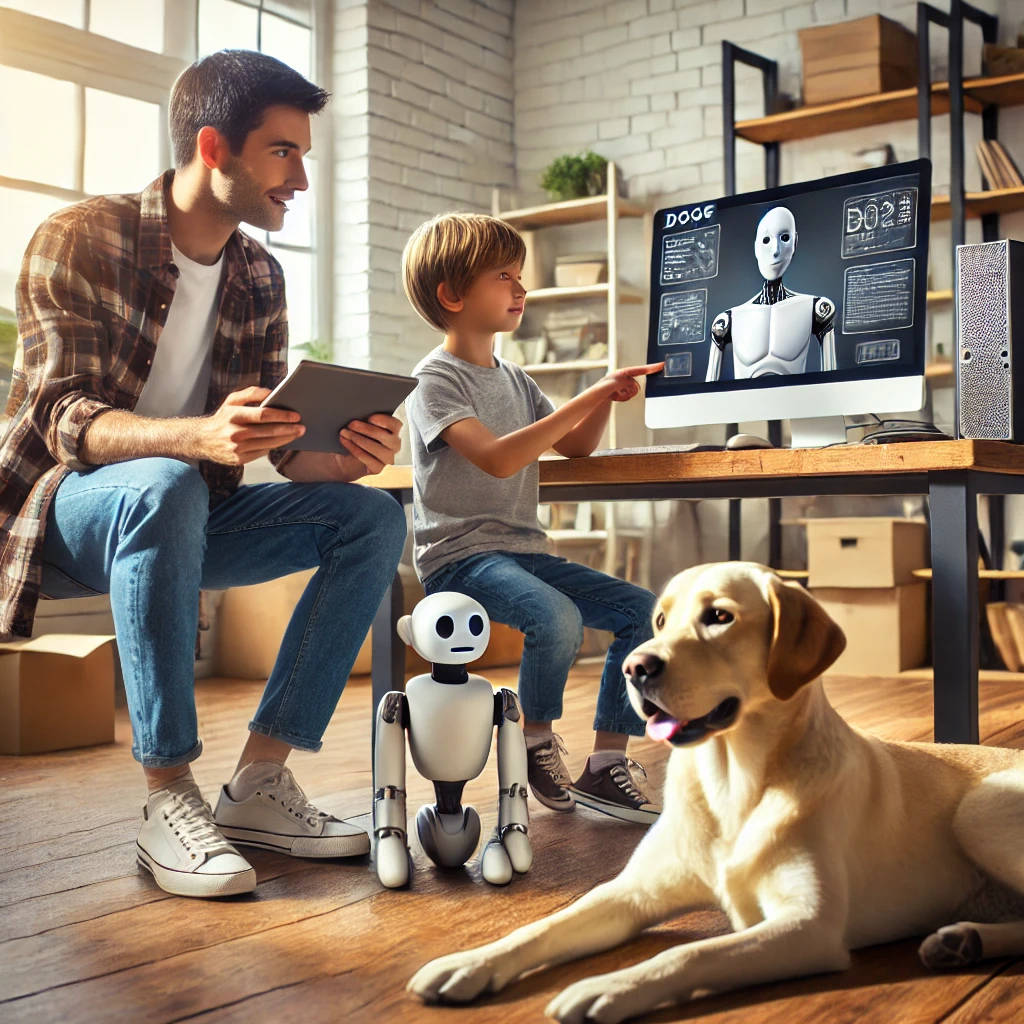
Artificial Intelligence (AI) is moving from buzzword to backbone. It writes drafts, explains concepts, generates images, summarizes long texts, and even tutors. For parents, that’s exciting—and a little overwhelming. This guide shows you how to harness AI at home so your child learns faster, stays safe, and uses technology to create rather than just consume.
Why AI Matters for Families
- Personalized learning: AI can adapt explanations to your child’s level and learning style.
- Time savings: Need a quiz, a reading plan, or a step-by-step project? AI drafts it in seconds.
- Creativity unlocked: Kids can turn ideas into stories, music, code, and designs—fast.
The 3 Roles AI Should Play at Home
- Coach: Ask AI to teach with examples before it helps with answers. Try: “Explain fractions using pizza and lego bricks.”
- Studio Assistant: Use AI to generate drafts your child then improves—scripts, storyboards, research outlines.
- Critic: Ask AI to review work against a checklist rather than produce the final piece.
Safe and Ethical Use (for Kids & Teens)
- Keep prompts and outputs age-appropriate. Review tools’ safety settings.
- Teach source checking: “What are your sources?” “Show me where this comes from.”
- Require a learning reflection: “What did the AI help with? What did I do myself?”
- Practice data minimalism: never paste private info into AI tools.
Five Prompts Parents Can Use Tonight
1) “Create a 20-minute family quiz about the water cycle, with 3 difficulty levels and answers.”
2) “Explain long division for a 9-year-old who loves football. Include an analogy.”
3) “Turn this paragraph into a reading exercise with 5 questions and a model answer: [paste text].”
4) “Suggest a 30-minute weekend project to build a tiny website about our dog. Include steps & tools.”
5) “Give me a debate topic for siblings aged 10 & 13, plus 6 talking points each.”
Screen Time → Build Time
Swap passive scrolling for project time. Pick a weekly theme (science, art, nature, coding) and ask AI to generate a mini brief with steps and a deadline. Celebrate shipping, not perfection.
How Learn AI Helps
Our program gives parents and kids practical, fun activities that grow AI skills ethically. You’ll get weekly lessons for three age bands, printable worksheets, and parent guides.
FAQ
Is AI allowed for homework?
Most schools allow AI for research and planning, but not for submitting AI-written work. Encourage your child to use AI as a tutor and always produce original final answers.
Which tools should we start with?
Start with a reputable chatbot, a safe image generator, and a kid-friendly coding environment. Focus on prompts, reflection, and small projects.
How do I avoid plagiarism?
Require outlines, drafts, and a short “what I learned” note. Run a quick originality check and insist on citations.